
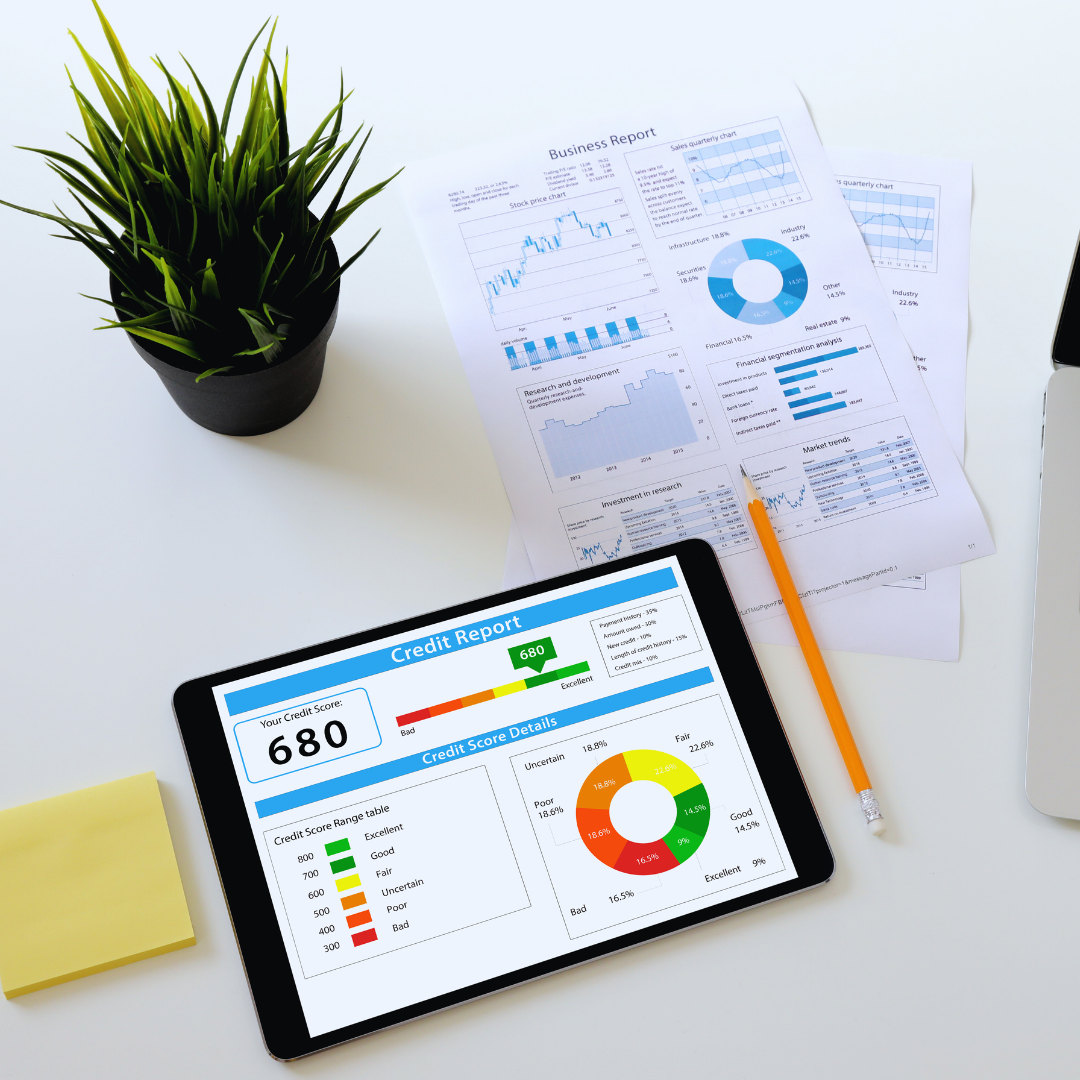
Building business credit is essential for establishing financial credibility separate from your personal credit. Business credit helps companies secure loans, negotiate better terms with suppliers, and access growth opportunities.
Many new business owners don’t realize that establishing credit requires deliberate steps, such as registering with credit bureaus and maintaining timely payments. Understanding these basics can set your business on a solid financial foundation from the start.
This guide will outline practical actions to begin building your business credit effectively. By following these steps, you can improve your company’s financial reputation and increase its chances for success.
Understanding Business Credit
Business credit reflects the financial reputation of a company and impacts its ability to secure loans, negotiate better terms, and manage cash flow. It operates independently from personal credit and follows specific reporting and scoring systems designed for businesses.
What Is Business Credit
Business credit measures a company’s creditworthiness based on its financial history and repayment behavior. It includes data like payment history with suppliers, successful loan repayments, and public records such as liens or judgments.
Separate business credit reports are maintained by agencies like Dun & Bradstreet, Experian Business, and Equifax Business. These reports use distinct scoring models, such as D & B’s PAYDEX score, which ranges from 0 to 100 and shows your payment reliability to vendors.
Building positive records in areas like vendor payments and business loans establishes a solid credit profile. This profile influences lenders, suppliers, and partners when deciding on credit terms or contracts.
Differences Between Personal and Business Credit
Personal credit ties directly to an individual and is influenced by personal loans, credit cards, and payment habits. Business credit, however, is linked to the company’s Employer Identification Number (EIN) and financial activities.
Using business credit separates personal liability and protects personal assets. For startups and small businesses, it also allows for borrowing without affecting the owner’s personal credit score.
Unlike personal credit scores, business credit scores consider different factors such as company size, industry risk, and public filings. These differences mean that strong personal credit doesn’t automatically translate to strong business credit.
Why Business Credit Matters
Strong business credit increases access to funding options with potentially lower interest rates and higher credit limits. Lenders and suppliers assess business credit to evaluate risk, making it crucial for cash flow management and growth opportunities.
Good business credit can improve terms on leases, insurance, and contracts. It also allows businesses to respond better during slow periods or emergencies by drawing on available credit lines.
Additionally, many vendors require a business credit check before extending trade credit. A positive credit profile simplifies that process and strengthens the company’s market position.
Preparing to Build Business Credit
Starting with the right foundation is critical to building strong business credit. This involves creating a formal business identity and securing the necessary tax identification that separates your business from personal finances.
Establishing a Legal Business Structure
Choosing a legal structure, such as an LLC, corporation, or partnership, is essential for establishing business credit. A legal entity gives your business a separate identity from yourself, which lenders and credit bureaus require.
Common structures include:
- Sole Proprietorship: Easiest to set up, but offers no separation of personal and business credit.
- Limited Liability Company (LLC): Provides liability protection and is preferred for credit building.
- Corporation (C-Corp or S-Corp): Offers strong liability protection and may be favored by creditors.
Register your business with the state and obtain necessary permits. This official recognition helps you qualify for credit accounts under your business name, keeping personal credit distinct.
Obtaining an Employer Identification Number (EIN)
An EIN is a unique nine-digit number assigned by the IRS to identify your business for tax purposes. It functions like a Social Security number but for your company.
Obtaining an EIN is free and can be done online via the IRS website.
Businesses need an EIN to:
- Open bank accounts in the business’s name
- Apply for credit and loans
- Report tax information to the IRS
Without an EIN, lenders may reject your credit applications or require personal guarantees, affecting personal credit risk. Securing an EIN is a key step in preparing your business for independent credit activity.
Setting Up Financial Foundations
Establishing a strong financial groundwork is crucial for building business credit. This involves creating separate financial accounts for your business and ensuring your company is officially recognized by major business credit bureaus.
Opening a Business Bank Account
A dedicated business bank account separates your personal and business finances, which is essential for accurate record-keeping and professional transactions. To open one, you’ll need your EIN (Employer Identification Number), business formation documents, and an operating agreement if applicable.
Choose a bank that offers services tailored to small businesses, such as low fees, online banking, and access to credit products. Keep your account active with regular deposits and withdrawals to build a transaction history.
This account will be the primary tool for managing payments, expenses, and tracking cash flow, all of which impact your business credit profile.
Registering With Business Credit Bureaus
Registering with business credit bureaus like Dun & Bradstreet, Experian Business, and Equifax Business is vital. Obtain a D-U-N-S Number from Dun & Bradstreet, as this identifier is widely used by lenders and suppliers to assess your creditworthiness.
Regularly update your business information with these agencies to maintain accurate records. Report positive payment history from vendors and lenders to build a strong credit profile.
Monitoring your business credit reports allows you to spot errors and address them promptly, helping maintain a reliable credit score.
Building Credit from Scratch
Establishing business credit requires a few foundational steps that create a verified financial identity. These steps help differentiate your business’s credit from your personal credit, focusing on formal recognition and initial credit relationships.
Applying for a D-U-N-S Number
A D-U-N-S Number is a unique identifier issued by Dun & Bradstreet, widely used by lenders and suppliers to assess business credit. It serves as your company’s official credit profile and is essential for building a reliable credit history.
To apply, visit the Dun & Bradstreet website and provide basic business information such as legal name, address, and ownership details. The process is free but can take up to 30 days for verification. Once assigned, ensure the D-U-N-S Number is referenced in credit applications and financial dealings to build your business credit record.
Securing Vendor Credit Accounts
Vendor credit accounts are trade lines that suppliers offer that allow businesses to buy now and pay later. These accounts are critical for establishing business credit without initially needing loans or credit cards.
Start by identifying vendors who report payment history to credit bureaus. Some popular starter vendors include Quill, Grainger, and Uline. Apply for net-30 or net-60 terms, which means payment is due in 30 or 60 days after purchase. Timely payments on these accounts demonstrate reliability and positively impact your business credit score. Track billing cycles carefully to avoid late payments, which can harm credit standing.
Using Credit Responsibly
Building business credit requires consistent actions that show lenders reliability and financial discipline. Two crucial behaviors are paying bills promptly and managing how much credit you use.
Making On-Time Payments
Paying all bills, loans, and credit accounts by their due dates is essential. Late payments can hurt your business credit score and make lenders view your business as risky.
Set up reminders or automatic payments to avoid missing due dates. Even a single late payment can stay on your credit report for years, so timely payments protect your credit health.
Consistent on-time payments demonstrate reliability. Over time, they build trust with creditors, potentially leading to better credit terms or higher credit limits.
Maintaining Low Credit Utilization
Credit utilization is the ratio of your credit balance to your credit limit. Keeping this ratio low, ideally under 30%, signals responsible credit use.
For example, if your credit limit is $10,000, try to keep your balance below $3,000. High utilization can suggest financial stress and lower your credit score.
Regularly monitor your accounts and pay down balances before the statement closing date to keep utilization low. This cautious approach improves creditworthiness and borrowing options.
Monitoring and Managing Business Credit
Regularly tracking your business credit helps maintain accuracy and avoid surprises. Identifying discrepancies early and addressing them promptly preserves your creditworthiness. Effective management requires careful review of credit reports and swift action on any mistakes.
Reviewing Your Business Credit Reports
Check your business credit reports from multiple bureaus like Dun & Bradstreet, Experian, and Equifax at least quarterly. Each agency may have different information, which affects your overall credit profile. Look for key details such as payment history, credit inquiries, and public records.
Focus on identifying trends like late payments or increased credit utilization. Use online tools or sign up for monitoring services to get alerts on changes. Keeping a clear record of your credit activities supports better decision-making for loans or partnerships.
Disputing Credit Report Errors
If you find incorrect information, dispute it promptly with the reporting agency. Gather supporting documentation like payment receipts or invoices to strengthen your case. Submit disputes online or by mail following the bureau’s specific instructions.
The agency typically has 30 days to investigate and respond. If the dispute is valid, they must update or remove the error. Follow up to confirm corrections appear on your report, ensuring your credit data remains accurate and reliable.
Advanced Strategies for Growth
Maximizing business credit requires understanding the tools and networks that can enhance your financial capacity. Effective use of credit cards and establishing strong lender relationships are critical to expanding your credit opportunities and improving terms.
Leveraging Business Credit Cards
Business credit cards are a practical way to build credit while managing operating expenses. Choose cards that report to major credit bureaus to ensure your payment history contributes positively to your business credit profile.
Utilize cards offering rewards or cash back relevant to your business spending, such as office supplies or travel. Always pay balances in full or on time to avoid interest and negative credit impact.
Track spending categories to maintain budgets and monitor for fraudulent activity. Some cards provide detailed expense reports, which help in financial planning and tax preparation.
Building Relationships With Lenders
Establishing rapport with lenders can lead to better financing options and increased credit limits. Regular communication and sharing business updates increase lender confidence in your repayment ability.
Request meetings or calls to discuss your business goals and financial performance. Transparent dialogue helps lenders understand your needs beyond credit scores.
Consider diversifying lenders by engaging with regional banks, credit unions, and online lenders. Each may offer different products and terms, broadening your financing toolkit.
Maintain professionalism and promptness in all loan-related communications to build a reputation as a reliable borrower.
Avoiding Common Business Credit Mistakes
Building business credit requires careful management of risks related to liability and debt. Understanding how to keep your personal finances separate and avoid borrowing beyond your business’s capacity is critical to maintaining strong credit.
Avoiding Personal Guarantees
Personal guarantees put your personal assets at risk if your business can’t repay debt. They are often required when a business has a limited credit history or weak financials. Avoid signing personal guarantees unless absolutely necessary.
To minimize risk:
- Negotiate with lenders to remove or limit personal guarantees.
- Build business credit scores to qualify for loans without them.
- Keep business and personal finances strictly separate by using dedicated bank accounts and credit cards.
If a personal guarantee is unavoidable, limit the guarantee’s scope and duration. This reduces your personal liability and protects your assets.
Preventing Overextension
Overextension happens when a business takes on more debt than it can handle, damaging its credit and cash flow. Track all credit lines and loans carefully, and set clear borrowing limits.
Use these strategies:
- Monitor repayment schedules and balances monthly.
- Prioritize paying down debts before taking on new ones.
- Avoid opening multiple credit lines at once to prevent high credit utilization.
Maintain debt-to-income ratios appropriate for your industry—typically under 30%—to stay financially healthy and creditworthy. Overextending can lead to missed payments, hurting your business credit score.
Long-Term Business Credit Maintenance
Maintaining business credit requires ongoing attention to detail. Keeping records current and anticipating financing needs helps preserve a healthy credit status.
Updating Business Information Regularly
Accurate business information is essential for reliable credit reporting. Ensure contact details, ownership structure, and business address are always up to date with credit bureaus.
Mistakes or outdated data can cause reporting errors or missed notifications. Update financial institutions and vendors immediately after any change.
Review your business credit reports at least twice a year. Dispute inaccuracies quickly to avoid damaging your credit score. This routine prevents surprises during credit evaluations.
Planning for Future Financing
Anticipate your future capital needs by tracking cash flow and business growth projections. This planning supports timely credit applications and strengthens your approval chances.
Develop a clear borrowing strategy outlining the purpose, amount, and repayment schedule. Lenders prefer businesses with documented plans and stable credit histories.
Diversify credit sources but avoid excessive inquiries. Maintain a balance between credit utilization and available credit to sustain a strong profile.
Regularly monitor market interest rates and loan terms. Adjust financing plans accordingly to optimize borrowing costs and conditions.